





Essentials
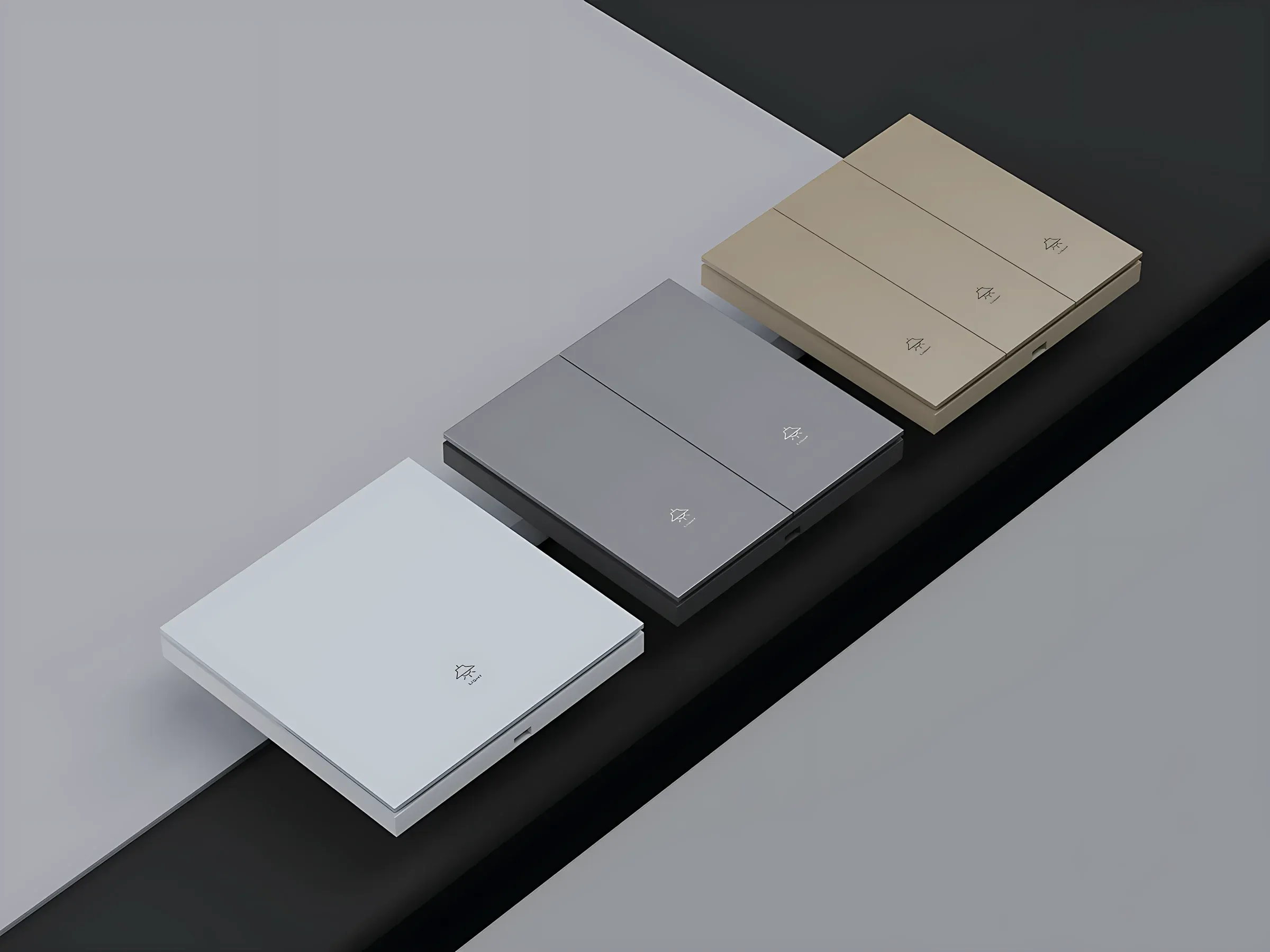
A simple, app-based start for apartments and first rooms.
- App and voice control
- Schedules for lights and loads
- Survey, design and installation
Always in control
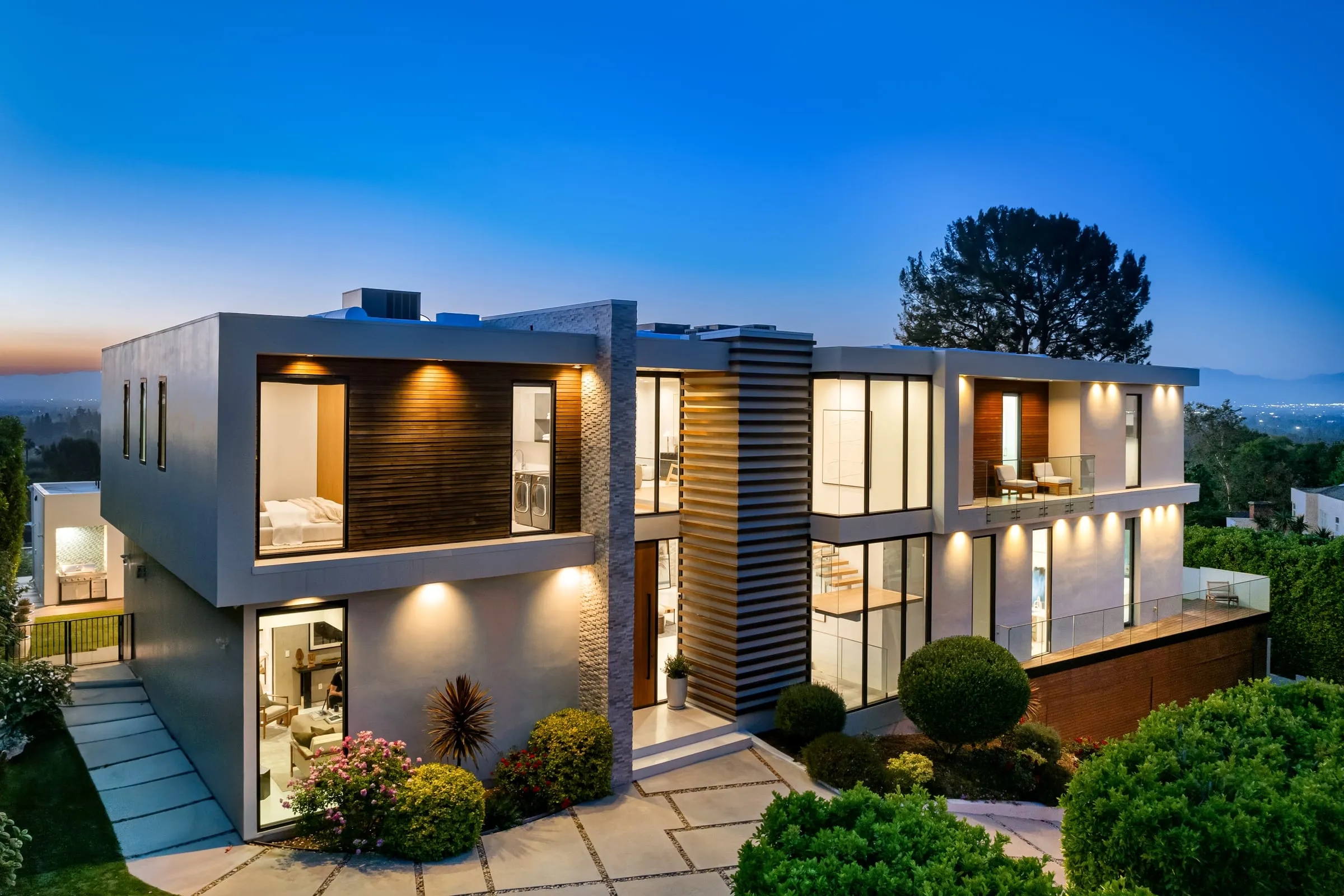
Ultra Edge designs, supplies and installs automation that runs on site, so lighting, climate, security, machines and energy keep working through internet outages and load-shedding.
Four pillars
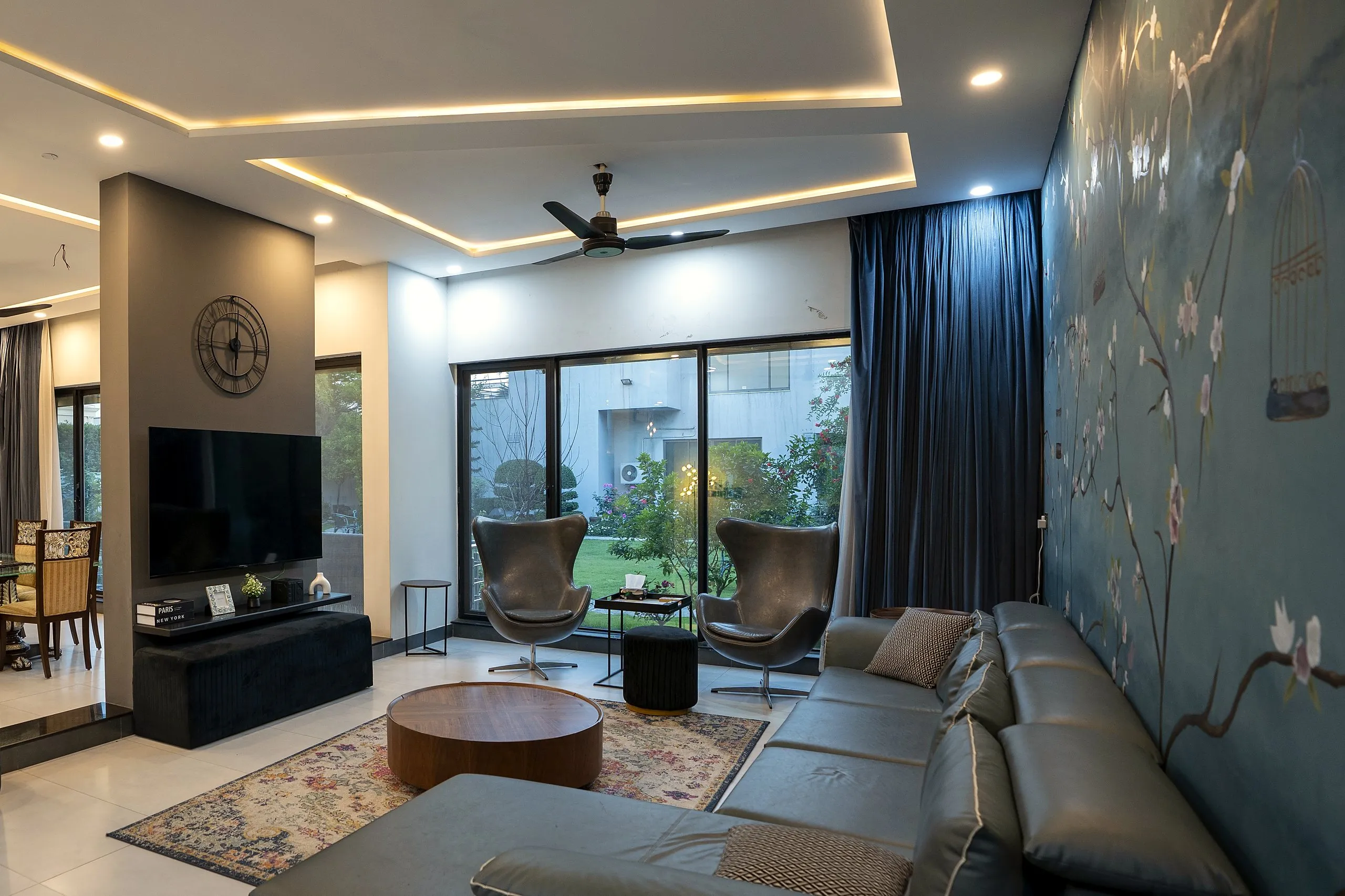
Lights, fans, geysers, AC, curtains and security that keep working through outages.
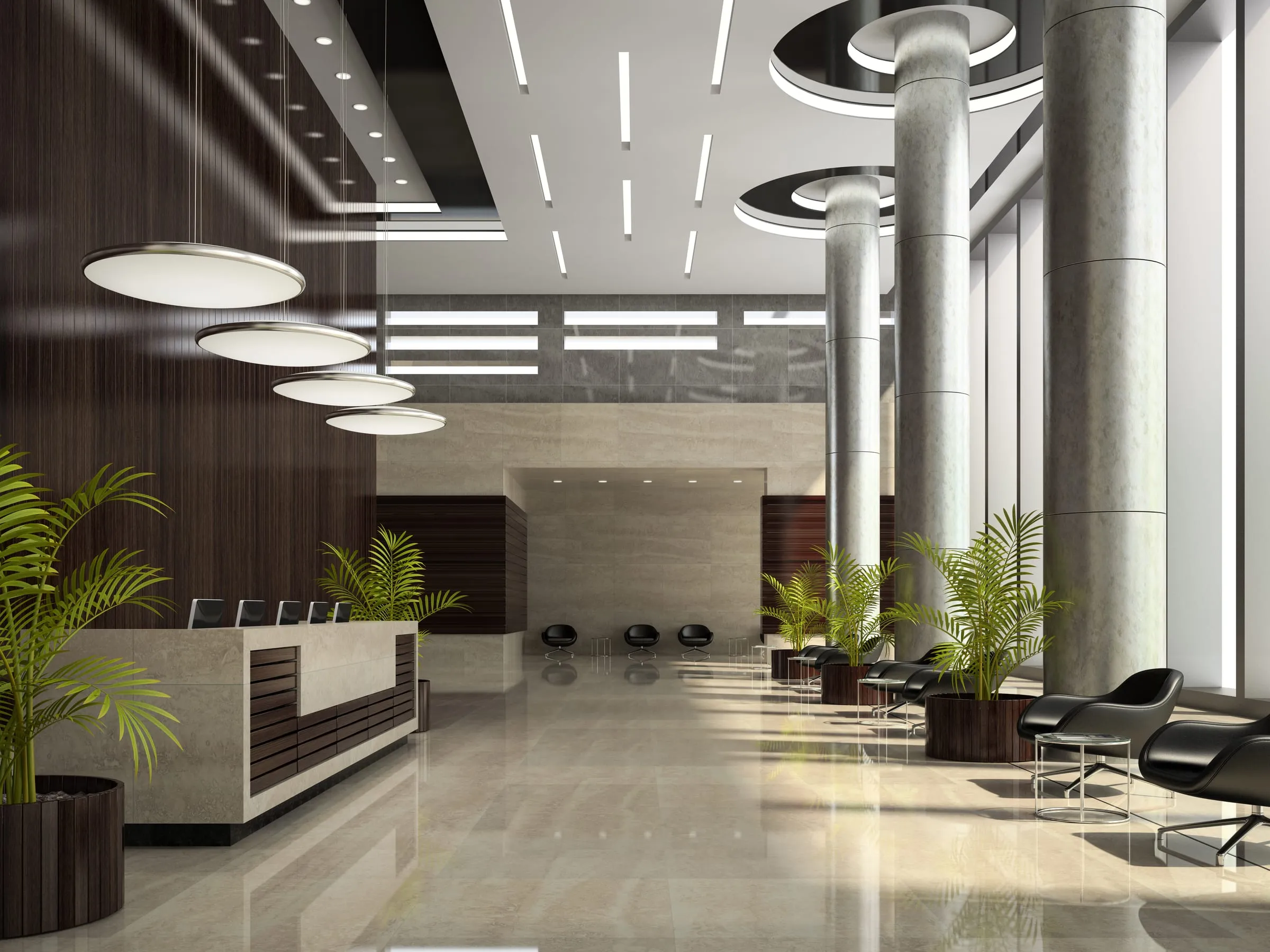
Room control, HVAC, lighting and generator–solar–grid energy, run on site.
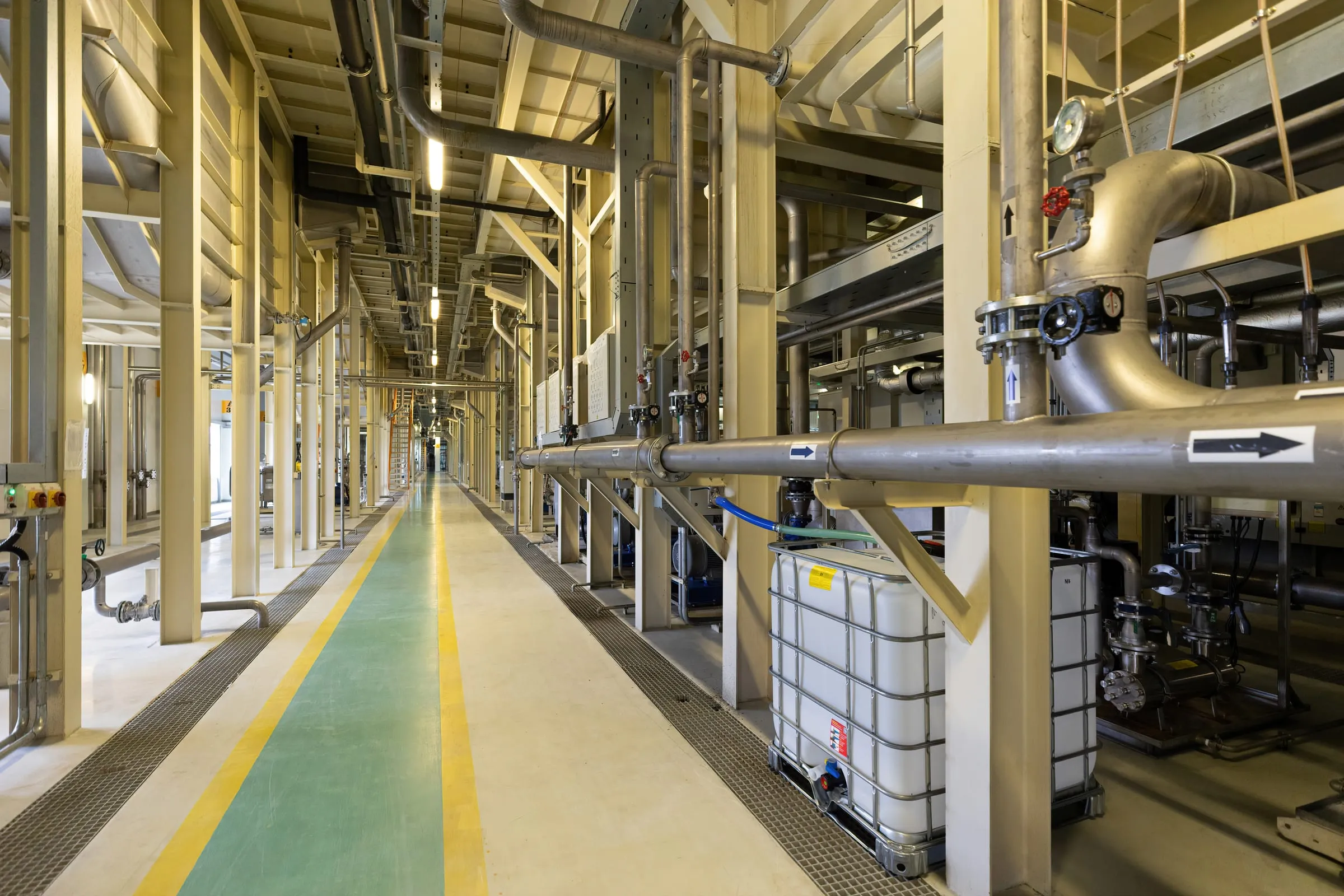
SCADA, data logging, alarms and energy monitoring beside your existing PLCs.
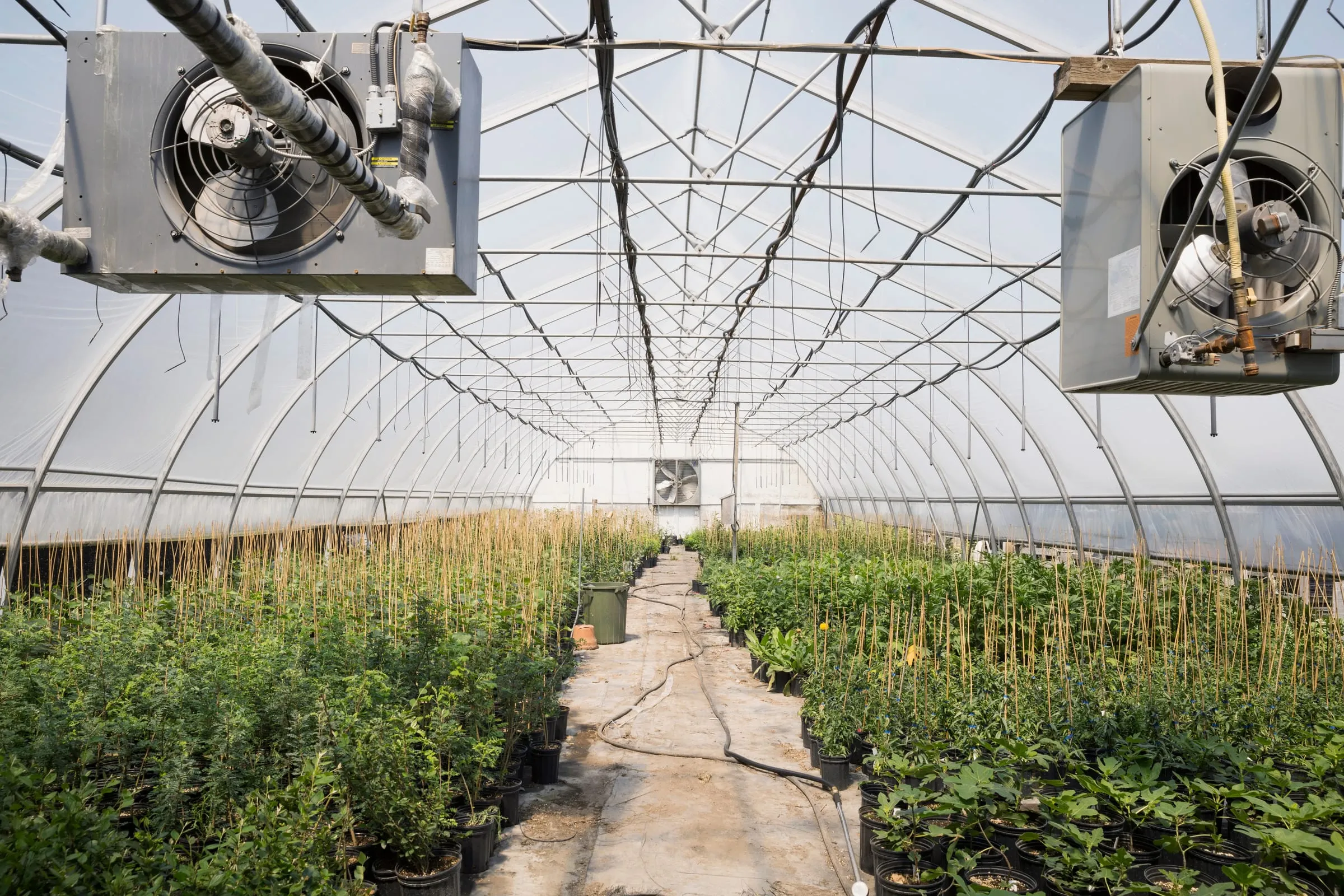
Climate control for mushroom rooms and sheds, plus tube-well and irrigation automation.
Projects
 System overview
Machines, energy, security and compliance on one on-site platform.
Read the project System overview
Room-by-room climate control: our second project for the same group.
Read the project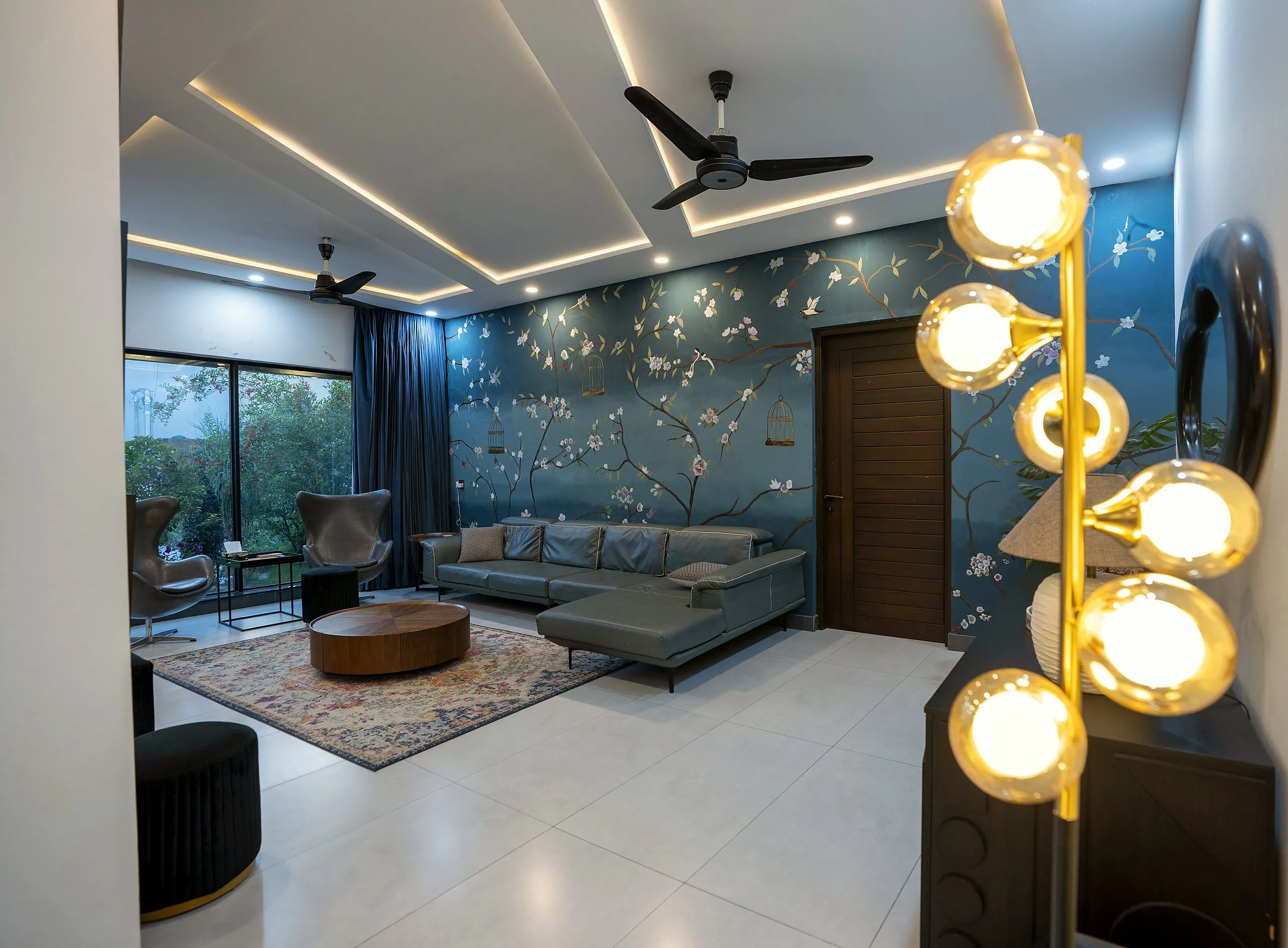
A fully automated home you can visit, by invitation.
Read the projectHow it works
Core lighting, climate, security and process keep running when the internet drops.
Data and footage stay on the premises. Remote access is optional, not required.
Homes, floors, plants and farms share the same local-intelligence platform.
Switch collections
Fans, geysers and universal sockets, in six finishes.
Packages
A simple, app-based start for apartments and first rooms.
On-site control that keeps working through internet outages.
Designer panels and bespoke finishes by consultation.
Built for Pakistan
Pakistan runs on mixed grid supply, load-shedding, generator and solar backup, and connectivity that varies street by street. A system whose core logic lives in someone else’s data centre stops working exactly when it matters most. Ultra Edge keeps control on the premises so lighting, climate, alarms and process keep running while remote access stays optional.
Process
We walk the property, map loads and decide what must stay on site during outages.
A written proposal with the exact models, finishes and control layout for your rooms or plant.
Our own team wires, programmes and hands over a system that runs without the cloud.
Add rooms, machines or sensors later without ripping out the first install.
Experience Studio
Our studio home runs over 100 lighting circuits, hundreds of sensors and around 90 automations on one on-site controller. Visits by invitation.
Areas
Yes. That's exactly what it's built for. Core control keeps running on whatever power is live (grid, solar or generator), and with a small UPS on the controller it doesn't even blink at the switchover.
Core automation is not affected. Internet is used for optional remote access and notifications, not for the system to function day to day.
Yes. Ultra Edge sits on top of the power infrastructure already on site rather than replacing it, and can make switching between sources visible and, where useful, automatic.
Both. New builds allow more hidden wiring; retrofits typically use a wireless layer to avoid reopening walls. The site survey decides which approach fits.
It depends on scope — a single room is days, a full villa or building is weeks, a plant-wide deployment is phased over a longer schedule agreed at the design stage.
Yes. Ultra Edge stays the point of contact for support, fault response and future expansion.
No. Data stays on the local system by design. Remote access, where enabled, is something you turn on — not something switched on by default.
Book a free site survey, or message us on WhatsApp. We'll show you what keeps running through load-shedding, and what it would take.