



UE-AU-05
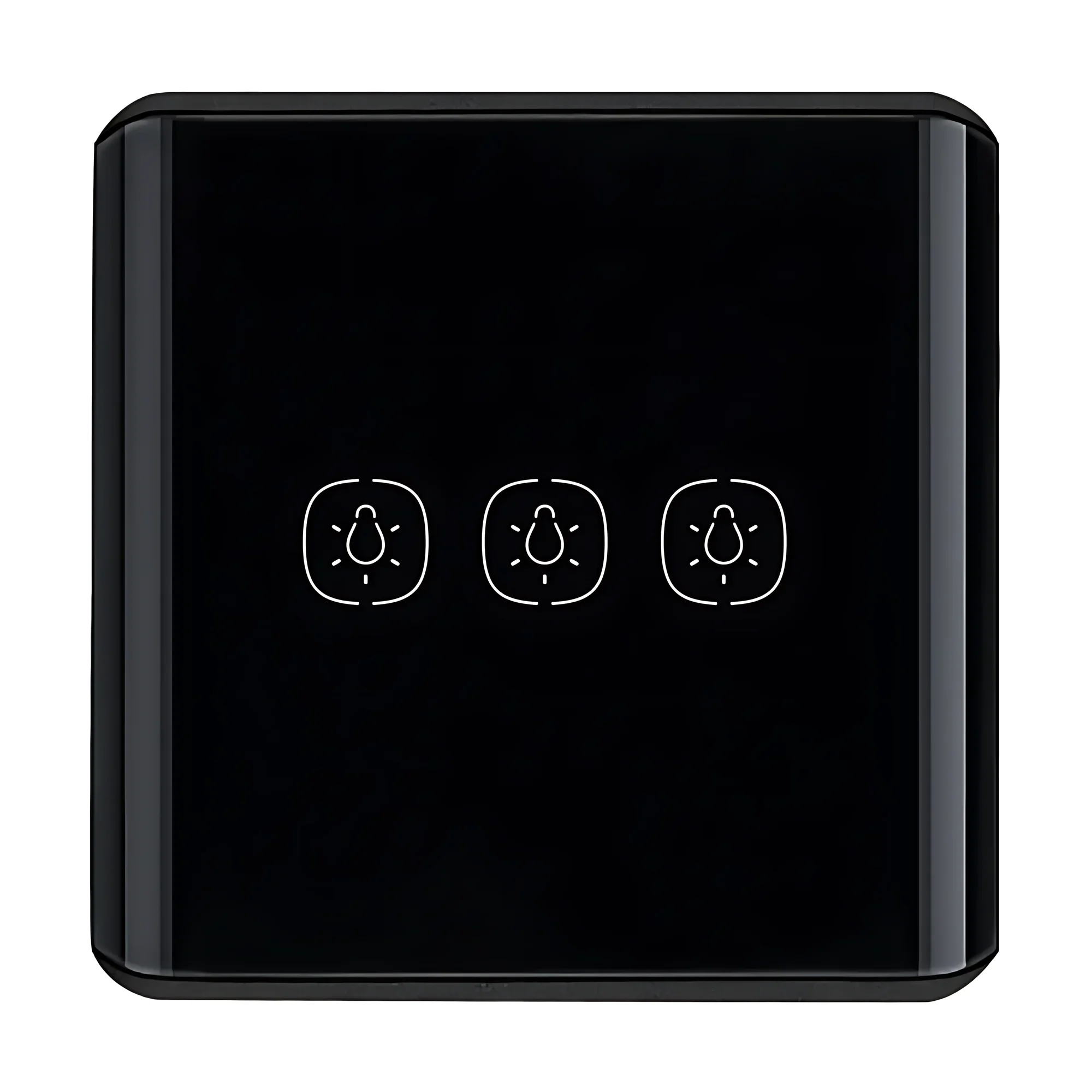
Aura Touch Switch
Curved tempered-glass smart touch switch for lights, 1 to 4 gang, with backlit icons that are easy to find at night.
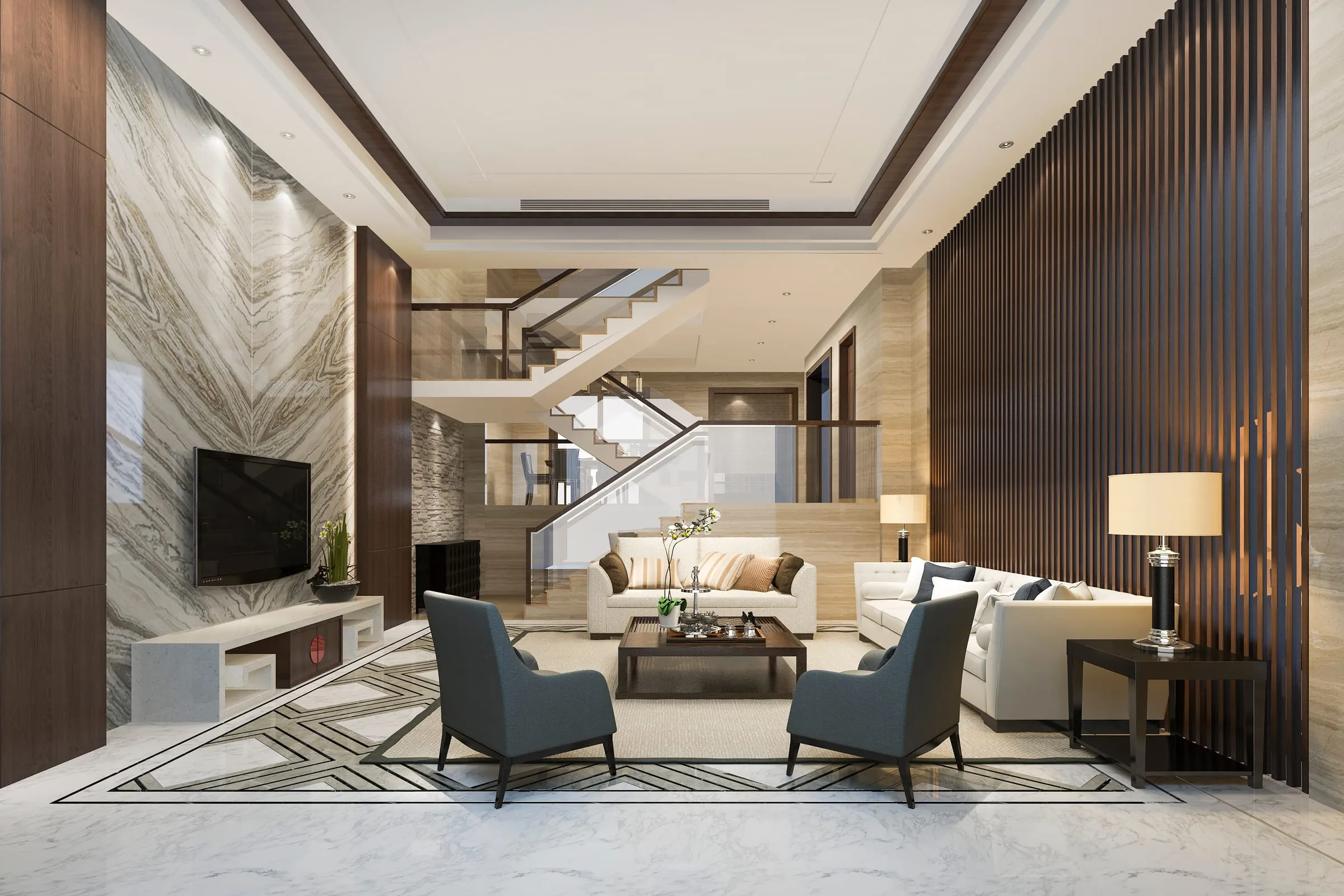
Homes
Lighting, fans, geysers, AC, curtains and security on one local system — designed for Pakistani power and connectivity, finished like architecture.
What we automate
Touch, push and labelled switches with welcome, night and away scenes that run on site.
AC, fans and geyser control with schedules that survive internet drops.
Motors and smart locks on the same controller as the switches on your walls.
Sensors, sirens and arming that keep watching when the internet does not.
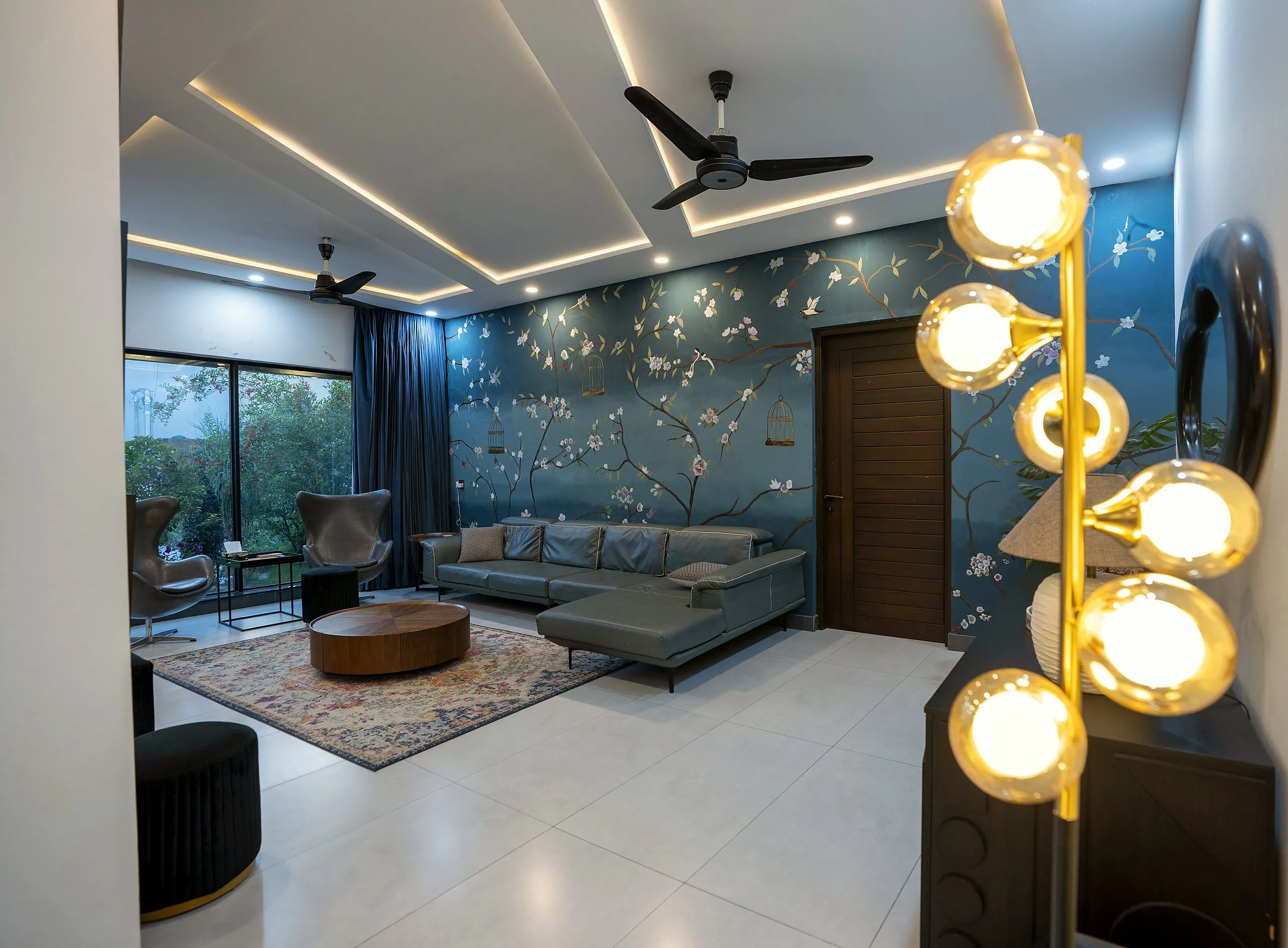
In the home
The Experience Studio is a working home at DHA Phase 5, Lahore — scenes, curtains, climate and security on one on-site controller. Visits by invitation.
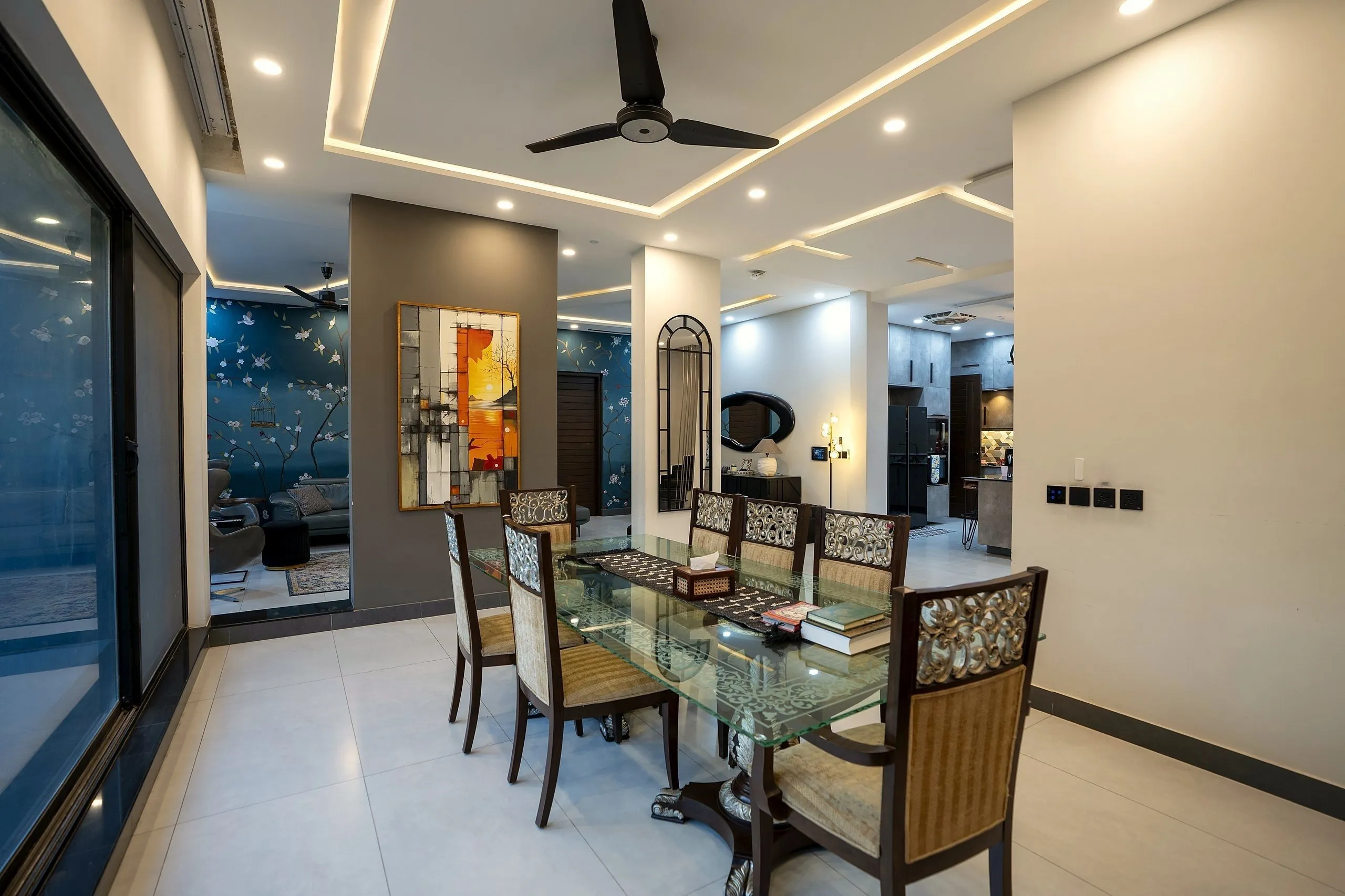
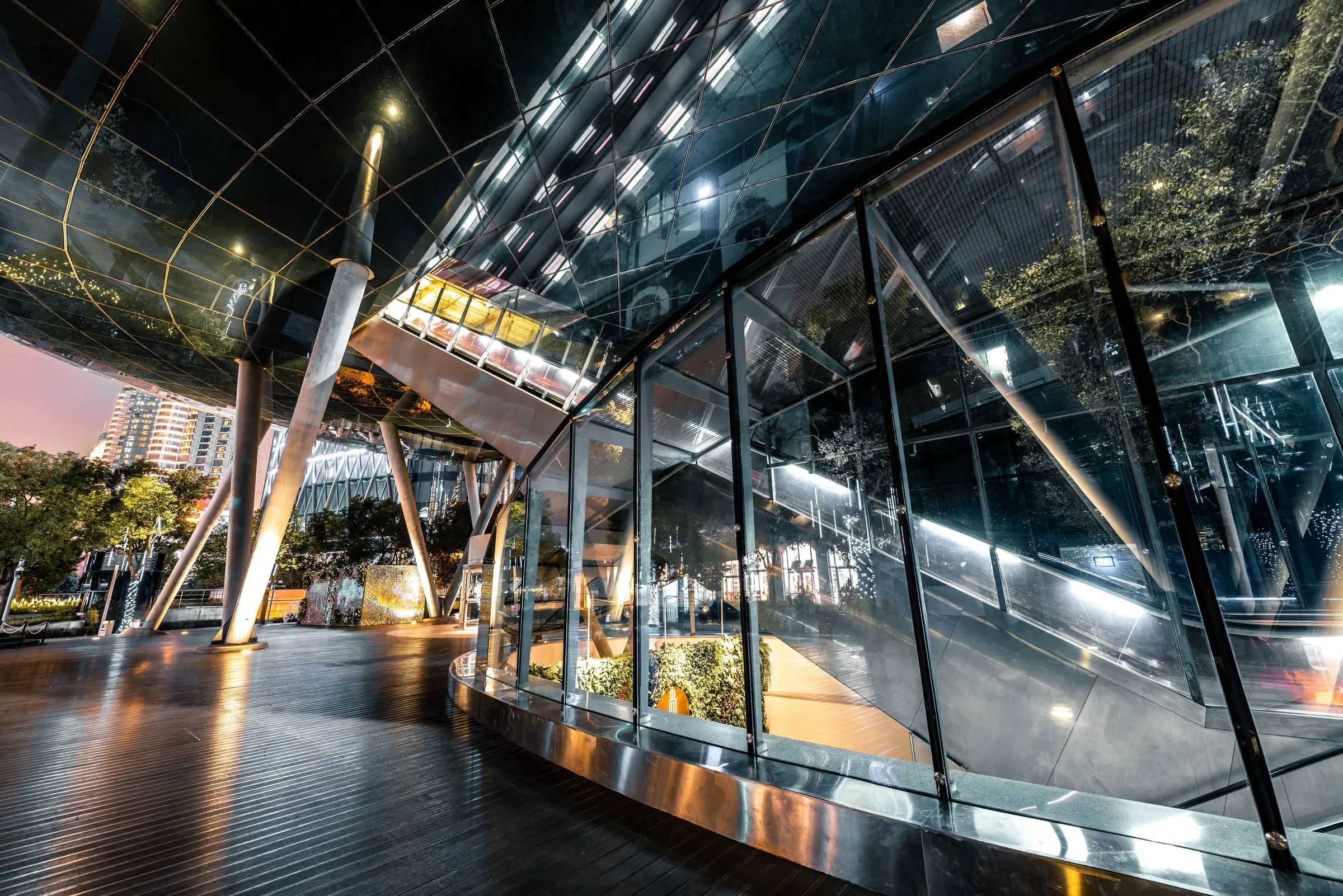
Ultra Edge Experience Studio, Lahore
Switches and scenes
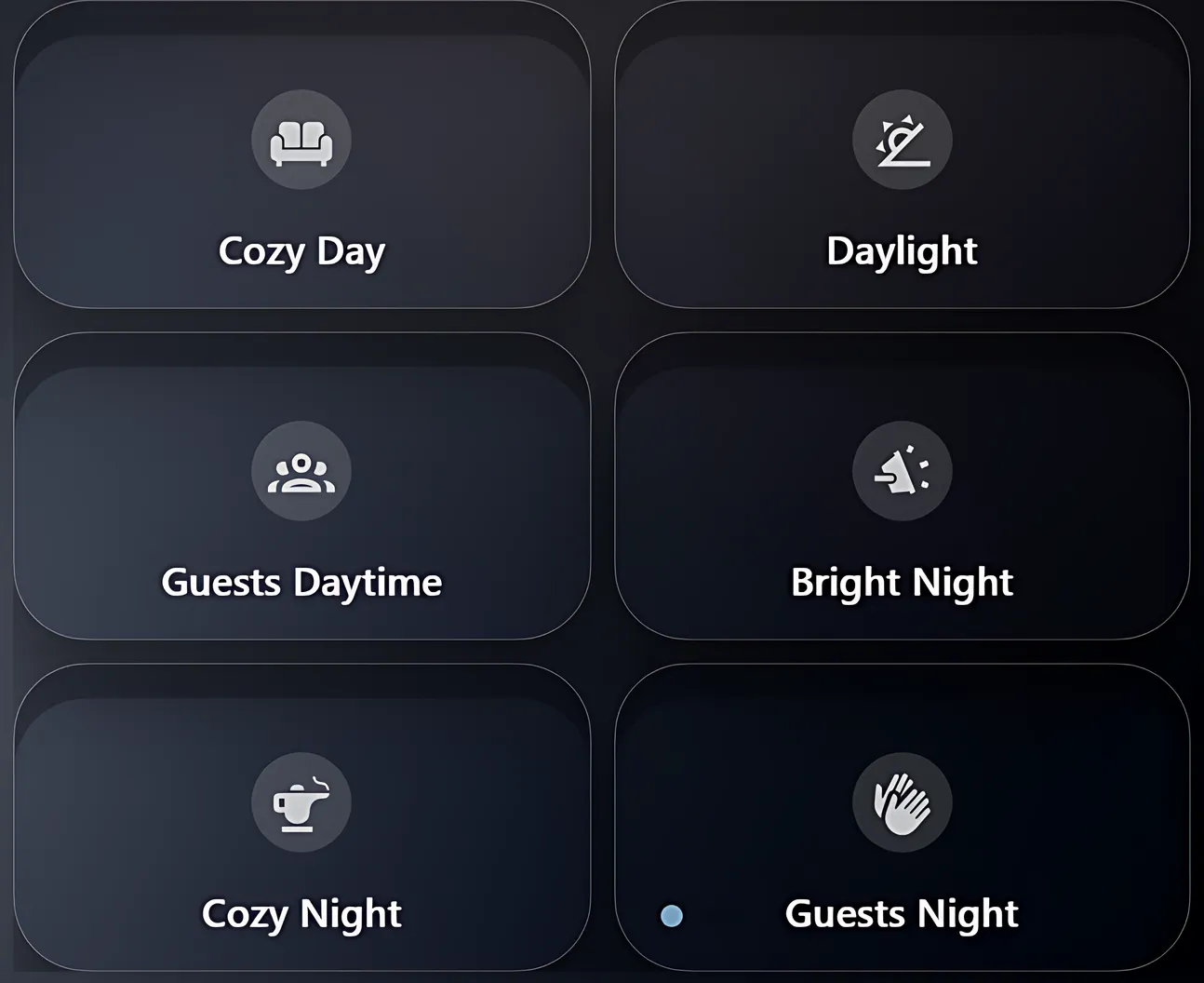
One keypad sets the dining room, from dinner to late tea.
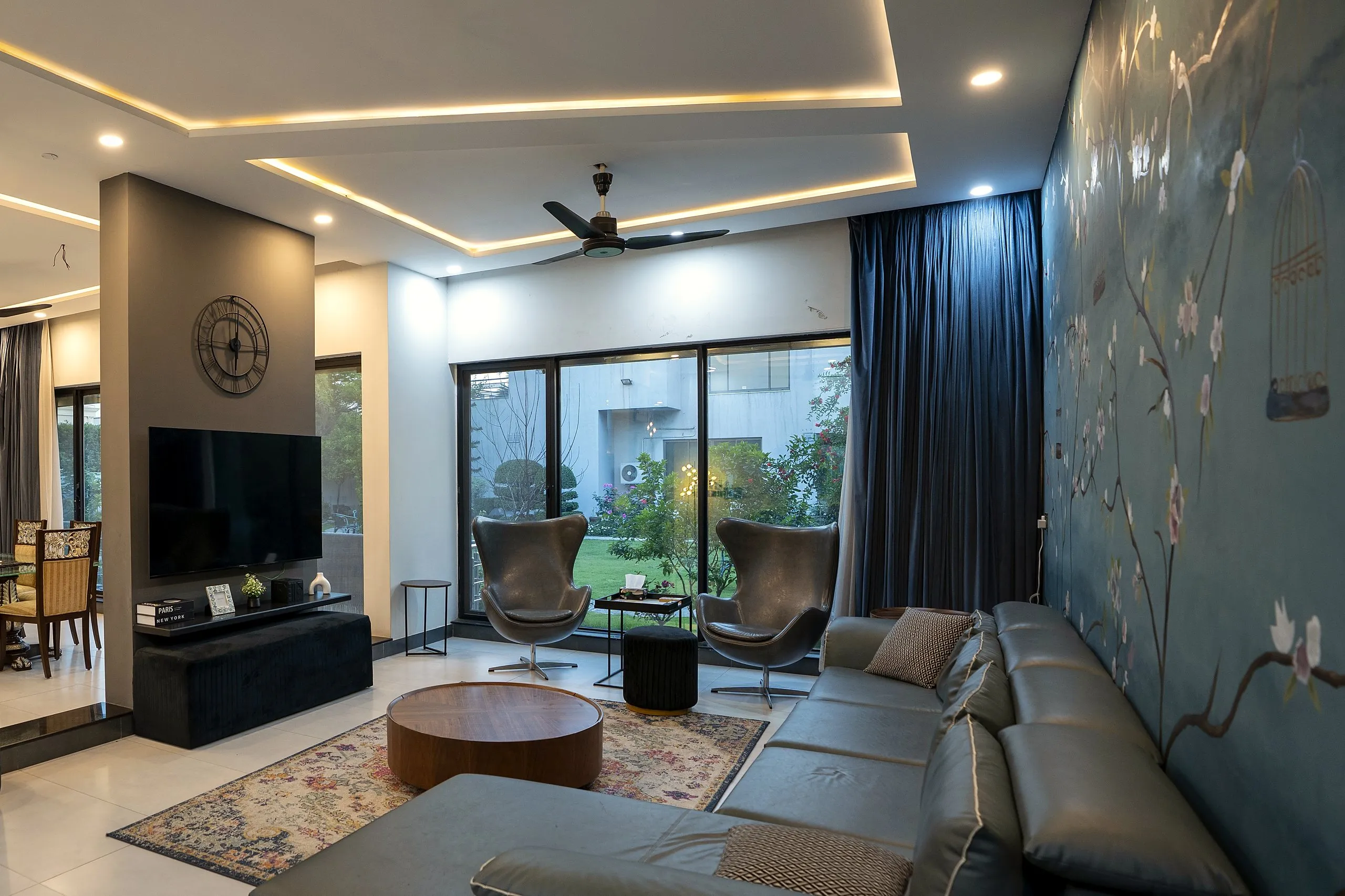
Ultra Edge Experience Studio, Lahore
Curtains that save energy
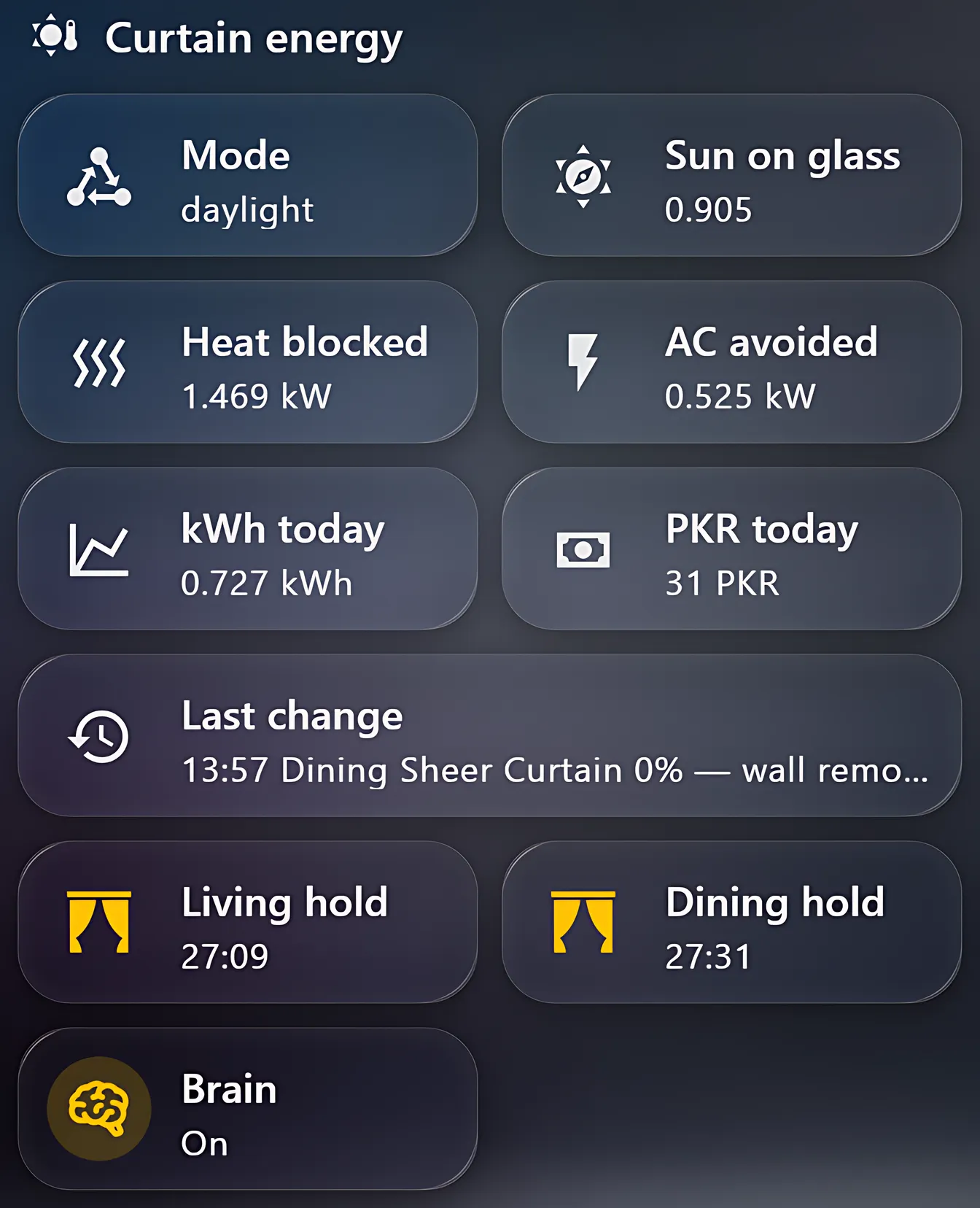
Living-room curtains in the studio home, tied to the energy panel on the wall.
Ultra Edge Experience Studio, Lahore
Scenes
Movie, lights and sun-heat logic share the same control surface.
How it works
Catalogue
UE-AU-05
Curved tempered-glass smart touch switch for lights, 1 to 4 gang, with backlit icons that are easy to find at night.
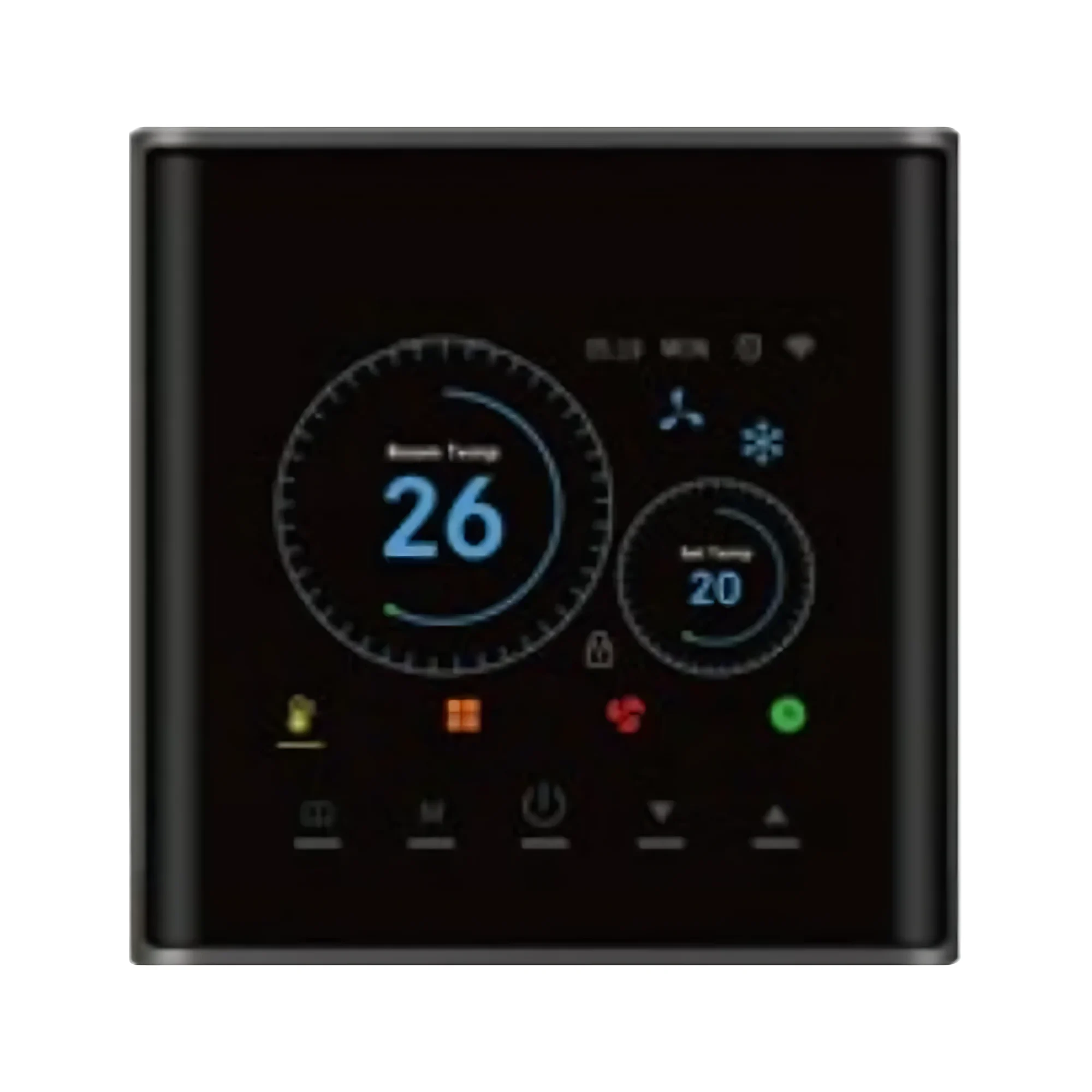
UE-CL-06
Glass thermostat for AC and heating, with clear displays and schedules.

UE-CU-08
Quiet curtain motor in compact and standard lengths for straight, curved and recessed tracks.
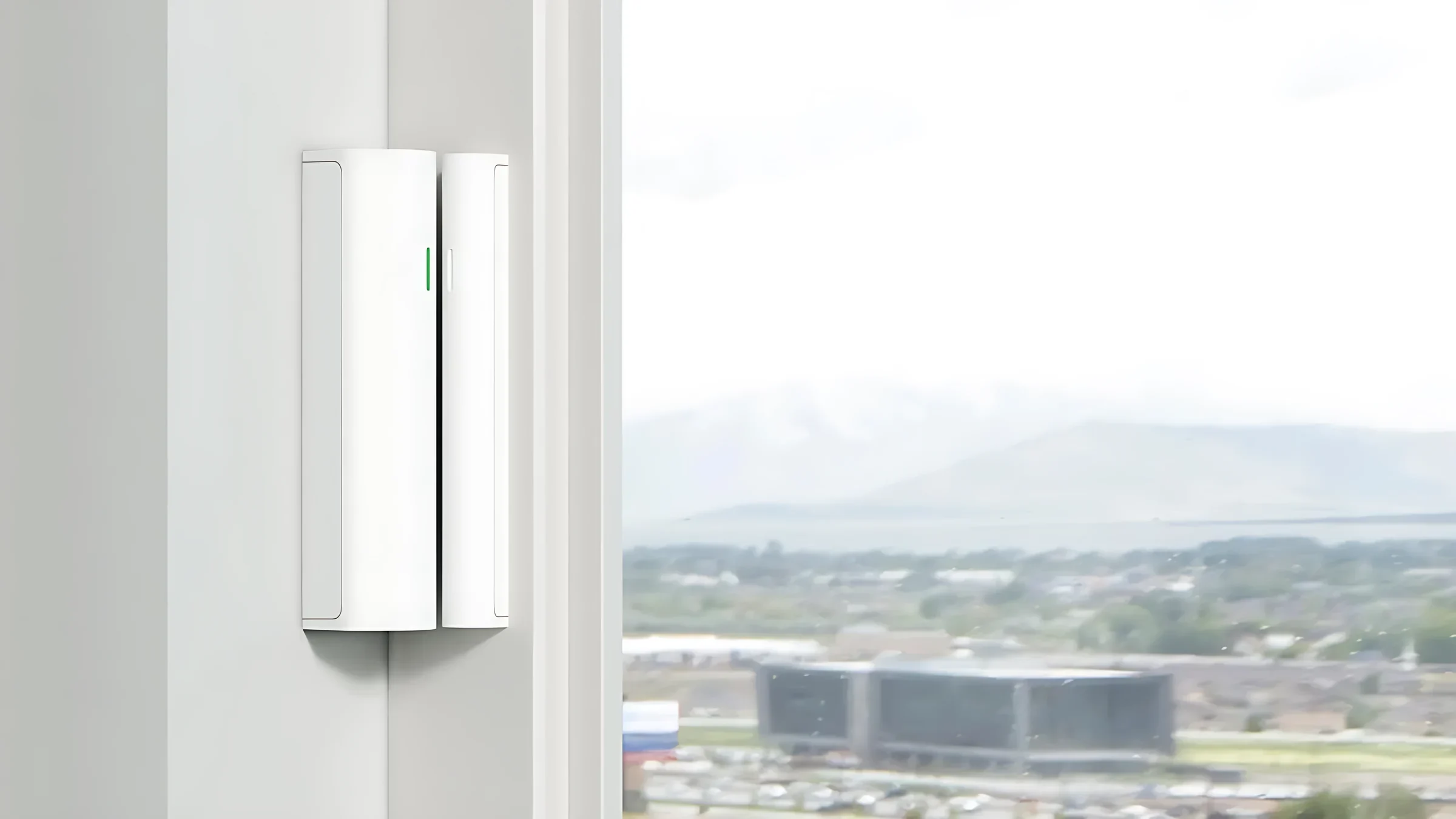
UE-SN-08
Small contact sensors that alert you when a door or window opens, or switch on lights automatically.
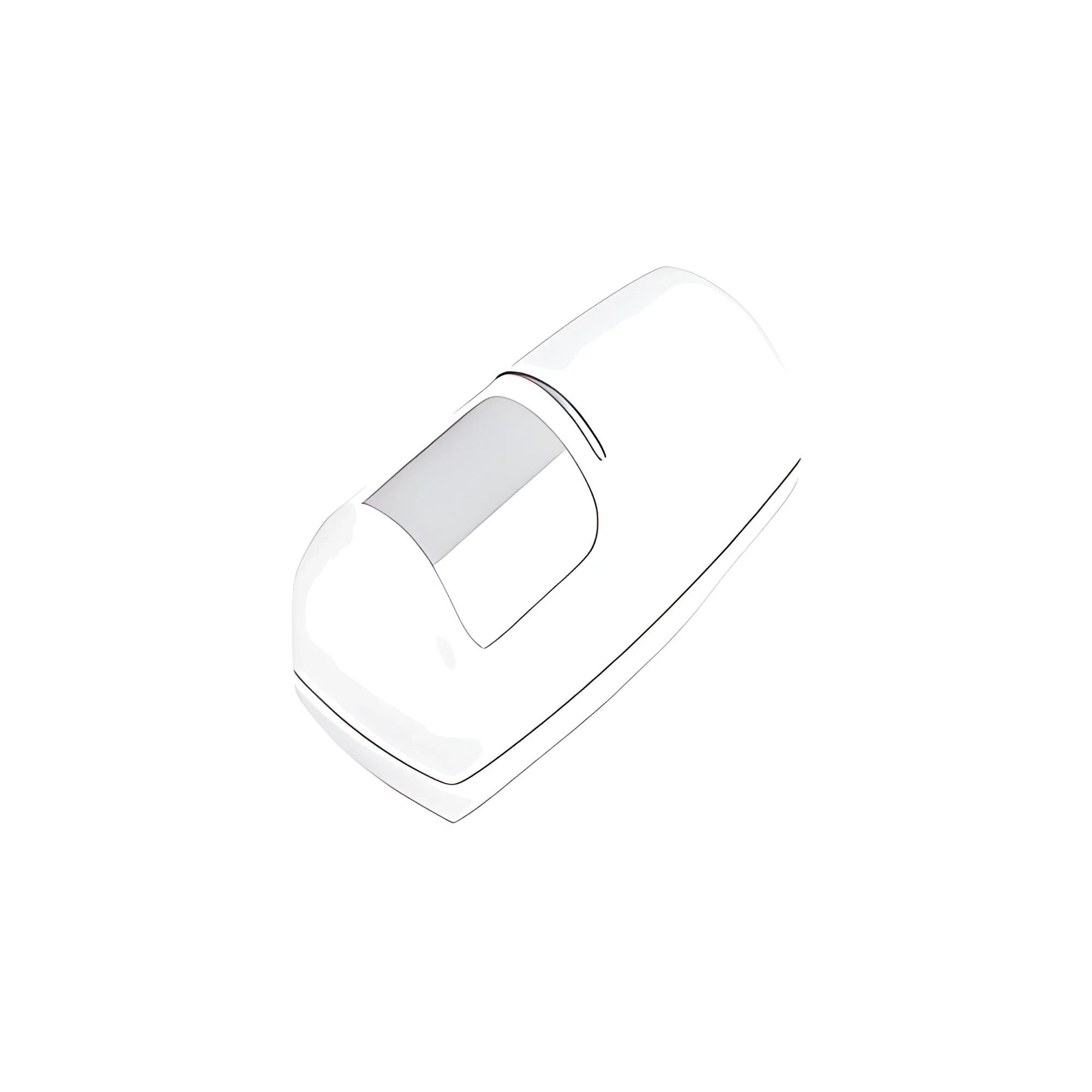
UE-SN-04
Motion sensors for lights that follow you, security alerts and empty-room AC shut-off.
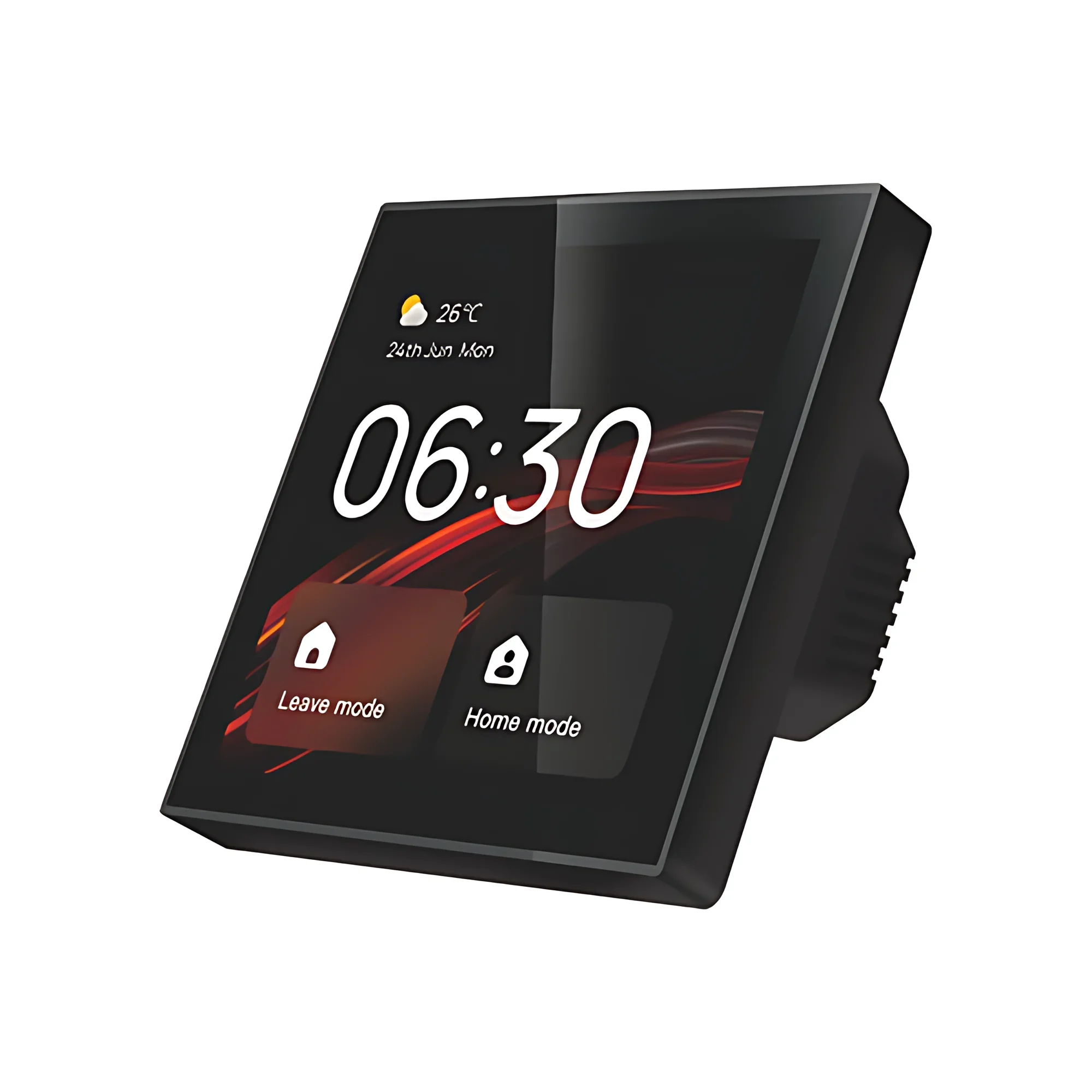
UE-SC-03
Touchscreen that fits a standard switch position, with scenes, time and climate.
Proof
A fully automated home you can visit, by invitation.
Book a studio visitYes. That's exactly what it's built for. Core control keeps running on whatever power is live (grid, solar or generator), and with a small UPS on the controller it doesn't even blink at the switchover.
Core automation is not affected. Internet is for optional remote access and notifications, not day-to-day function.
Yes. New builds allow more hidden wiring; retrofits often use a wireless layer to avoid reopening walls. The site survey decides which fits.
Book a free site survey, or message us on WhatsApp. We'll show you what keeps running through load-shedding, and what it would take.